
Sequencing the human exome or even the whole genome generates large amounts of data that need to be compiled, analyzed, interpreted, and stored. However, if you are interested in only a set of genes, panel sequencing might be interesting for you. In this article, we will highlight what panel sequencing is and how it can benefit your research.
In gene panel sequencing, a predefined set of genes associated with a particular disease, syndrome, phenotype, or clinical symptom of interest is analyzed. Depending on the scope of the panel, this set of genes can comprise between two and over one thousand genes. This collection of genes is simultaneously sequenced and analyzed. When using next-generation sequencing (NGS) approaches for panel sequencing, two types of gene panels are available: (|) targeted panel sequencing, and (||) virtual panels (see also figure 1).
(|) For targeted panel sequencing, data is only generated for the panel’s genes. These genes are enriched during the library preparation either by hybridization or via PCR. If the genes are enriched via hybridization, probes pull down and capture the genomic regions of interest. If the genes are enriched via PCR, distinct primer pairs are used to amplify the target regions of interest.
(||) For virtual gene panels, the whole exome or even the whole genome of a sample is sequenced. Subsequently, only the selected genes from the panel are analyzed.
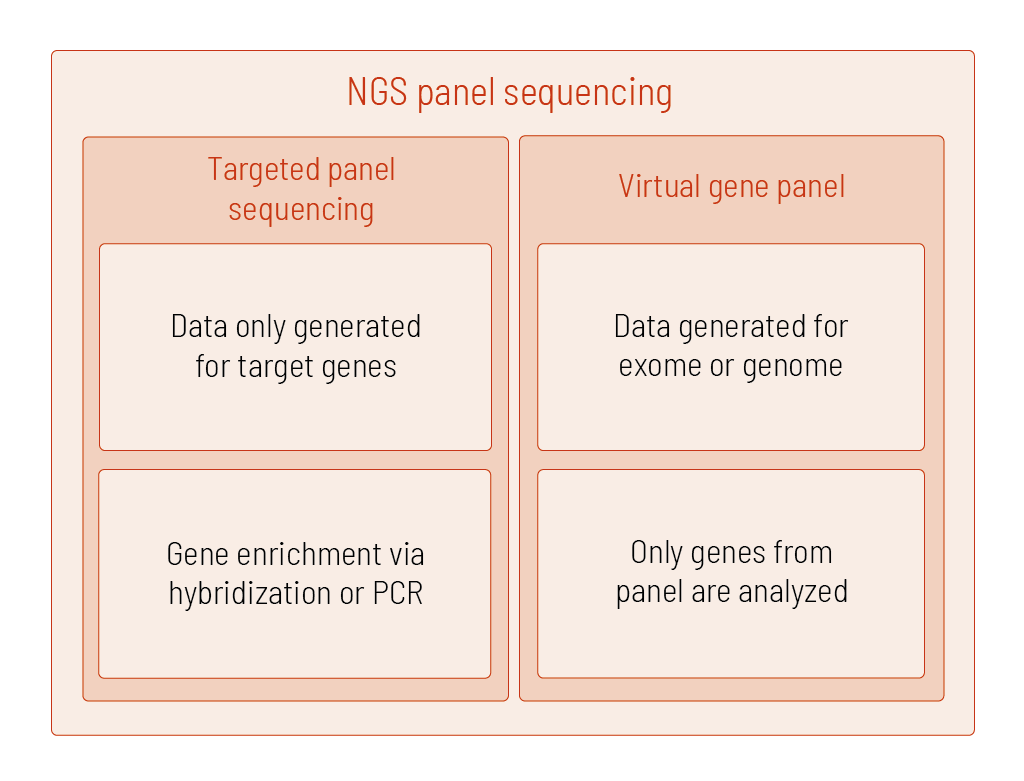
Figure 1 | NGS panel sequencing approaches.
Using panel sequencing to analyze a predefined set of genes for specific mutations can be very helpful for certain research questions. To identify the genetic cause of a rare disease, it can be beneficial to look at a smaller, more manageable set of data that holds specific information for the particular disease or phenotype of interest. The smaller dataset makes the analysis easier and more effective. Additionally, the focus on the genes in the panel limits the number of variants that need to be interpreted. The key genes and genomic regions of interest are sequenced at a high sequencing depth, which facilitates the identification of rare variants at low allele frequencies. Furthermore, the sensitivity to identify mosaicism is increased.
However, if the aim is to identify novel causative genes for a rare disease, panel sequencing is probably not the means of choice as the analysis is limited to the already known genes collected in the panel. Furthermore, structural rearrangements or copy number variations (CNVs) cannot be detected with panel sequencing approaches.
Thus, if you are interested in a predefined set of genes, panel sequencing can be an effective approach to analyze your sample. We offer different gene sets in our panel sequencing products. Feel free to have a look.